Which Type of Pan is the Healthiest? A Complete Guide for Safe Cooking
Introduction to Healthy Cooking with the Right Cookware
Selecting the appropriate cookware is paramount in promoting healthy cooking practices. The materials used in cookware can significantly influence the nutritional quality of the food being prepared, as well as the safety of the cooking process. Different types of pans and pots can introduce varying levels of chemicals into the food or alter the way heat is distributed, thus affecting both flavor and health.
For instance, some materials, such as non-stick coatings, can release harmful substances if overheated, whereas metals like stainless steel provide a safer alternative, ensuring that food does not come into contact with harmful chemicals. The choice of cookware should not only consider the safety and potential leaching of materials but also the cooking requirements of specific foods. Certain cookware, such as cast iron or ceramic, can enhance flavors and help maintain the nutritional integrity of food.
Moreover, cooking with suitable pans can facilitate healthier cooking methods, such as steaming or sautéing rather than frying. This shift from traditional frying is essential in reducing excess fat and calorie intake, fostering a healthier diet overall. An awareness of the options available on the market can enable individuals to make informed decisions about the cookware they invest in, prioritizing both health and practicality.
In summary, healthy cooking begins with the right cookware. The materials used and their respective properties can contribute significantly to the well-being of individuals and families alike. As we delve deeper into the various types of pans available, recognizing the impact of cookware on health outcomes will guide consumers towards safer and healthier cooking choices. Understanding these factors is crucial in adopting a healthier lifestyle through mindful cooking practices.
Understanding Cookware Materials
Cookware materials play a significant role in ensuring healthy cooking practices, as they impact both food safety and cooking performance. Different materials have distinct properties, advantages, and drawbacks. This section explores popular cookware materials including stainless steel, cast iron, non-stick, ceramic, and glass, focusing on their health implications.
Stainless steel is a widely used cookware material, known for its durability and resistance to rust. It does not react with acidic foods, which helps maintain food flavor and color. However, stainless steel pans can conduct heat unevenly, and some lower-quality versions may leach nickel or chromium when scratched.
Cast iron pans are favored for their heat retention and cooking versatility. They can enhance iron content in food, which is beneficial for those with iron deficiency. However, cast iron cookware requires regular seasoning and maintenance to prevent rusting. If not adequately seasoned, they may also react with acidic foods, leading to off-flavors.
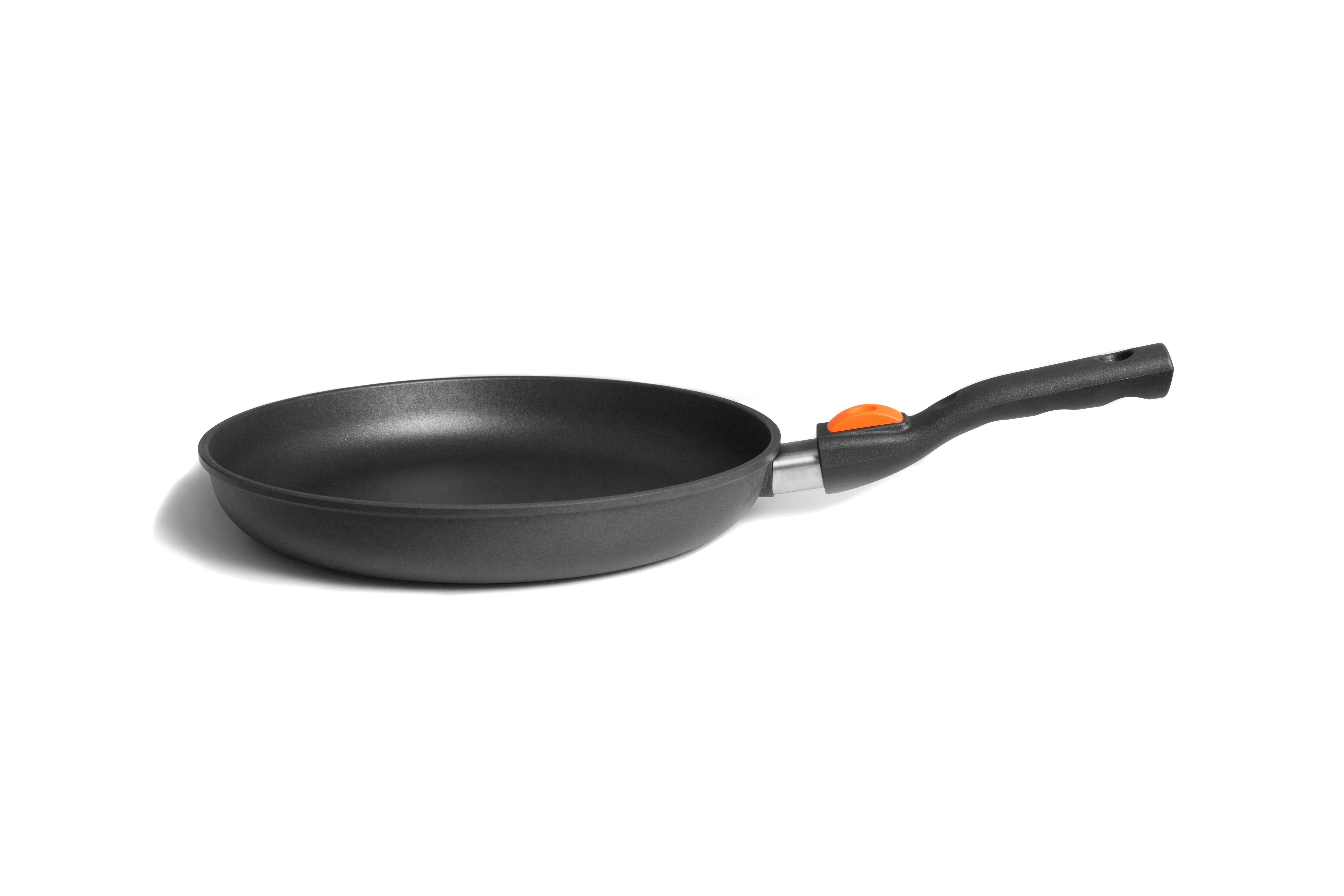
Non-stick cookware is popular for its easy food release and low-fat cooking capabilities, often used to promote healthier meals. While some non-stick coatings are made with toxic chemicals that can release harmful fumes when overheated, newer alternatives, such as ceramic non-stick coatings, offer a safer option. Caution should still be exercised to avoid scratching the surface.
Ceramic cookware is praised for its non-toxic properties and heat conduction. It provides a smooth cooking surface that is resistant to sticking. However, ceramic can chip easily over time and may not be suitable for high-temperature cooking. While glass cookware is safe and does not react with food, it usually requires careful handling due to its fragility.
Ultimately, the choice of cookware material significantly impacts not only health but also the cooking experience. Selecting the right cookware depends on one’s cooking habits and health priorities.
The Benefits of Stainless Steel Pans
Stainless steel cookware has gained popularity for its combination of durability and versatility, making it a favored choice in professional and home kitchens alike. One of the primary benefits of stainless steel pans is their remarkable durability. Constructed from a high-quality alloy of steel, chromium, and nickel, these pans are resistant to rust and corrosion, ensuring they maintain their pristine condition over time. This resistance enhances the longevity of the cookware, as it can withstand rigorous daily use without losing its integrity.
Another significant advantage of stainless steel pans is their non-reactive nature. Unlike some materials, stainless steel does not react with acidic or alkaline foods, which preserves the flavor and quality of the dishes being prepared. This property is particularly important for cooking foods such as tomatoes and citrus-based dishes, where other metals might alter the taste. Consequently, stainless steel cookware is safe for preparing a wide array of meals, from savory sautés to delicious stews.
Additionally, stainless steel pans are known for their ease of cleaning. Most stainless steel cookware is dishwasher safe, and even when hand-washed, food residues tend to release easily due to the smooth surface finish. This ease of maintenance encourages a hygienic cooking environment. Furthermore, many stainless steel pans are designed with ergonomic handles and proper weight distribution, making cooking sessions manageable and pleasant.
Heat distribution is an additional characteristic that makes stainless steel pans suitable for a range of cooking techniques. Many stainless steel cookware items incorporate aluminum or copper cores to facilitate even heat conduction, which reduces hot spots and ensures that food cooks thoroughly and uniformly. Overall, the benefits of stainless steel pans contribute to a safe cooking experience, promoting flavorful outcomes and simplifying kitchen tasks.
Exploring Cast Iron Cookware
Cast iron cookware has long been favored for its numerous benefits in the culinary world, particularly for those concerned about health and nutrition. One of the standout features of cast iron pans is their exceptional heat retention and distribution. This property allows for even cooking, reducing the chances of food burning and aiding in the preservation of nutrients during the cooking process. Moreover, when seasoned correctly, cast iron cookware can provide a natural non-stick surface, enhancing the cooking experience without the use of synthetic coatings.
A further advantage of using cast iron is its unique ability to impart trace minerals such as iron into food. This can be particularly beneficial for individuals at risk of iron deficiency, as the consumption of foods cooked in cast iron pans can contribute to daily iron intake. Furthermore, the longevity of cast iron cookware makes it an eco-friendly choice, as these pans can last for generations with proper care.
To maintain the quality and health standards of cast iron cookware, seasoning is crucial. Seasoning involves applying a thin layer of oil to the surface of the pan, which is then heated to create a protective coating. This not only enhances the non-stick properties but also prevents rust and protects the iron from reacting with food. Regular maintenance, including washing the pan without harsh detergents and ensuring it is dried thoroughly, is vital to keep the cookware in optimal condition.
In conclusion, cast iron pans offer several health benefits, combining effective cooking performance with the potential for added nutritional value. By embracing safe cooking practices and regular maintenance, users can enjoy the advantages of cooking with cast iron cookware for years to come.
The Role of Non-Stick Pans: Are They Safe?
Non-stick pans have become a staple in modern kitchens, praised for their ability to minimize the need for excess oils and fats in cooking. However, concerns regarding their safety, particularly those with Teflon coatings, have sparked a considerable amount of debate. The primary concern revolves around perfluoroalkyl and polyfluoroalkyl substances (PFAS), which have been historically used in non-stick cookware. These chemicals are known to persist in the environment and may potentially lead to adverse health effects.
Safety regulations governing non-stick cookware have evolved significantly. As of now, Teflon products marketed post-2013 are free from perfluorooctanoic acid (PFOA), a chemical linked to health risks, including cancer. Regulatory agencies such as the U.S. Environmental Protection Agency (EPA) and the Food and Drug Administration (FDA) have established guidelines to ensure that non-stick cookware remains safe for consumers. This provides some reassurance when considering the use of non-stick pans.
While using non-stick pans, it is crucial to adhere to specific precautions to mitigate potential risks. For instance, overheating non-stick cookware can release harmful fumes, particularly if the temperature exceeds 500°F (260°C). Therefore, using low to medium heat for cooking is advisable. Moreover, opting for high-quality brands that comply with safety standards can further decrease the chance of chemical exposure.
Non-stick pans serve suitable purposes in cooking, such as preparing delicate foods like eggs or pancakes that may otherwise stick to traditional pans. Understanding how to effectively and safely use non-stick cookware can help in utilizing these useful tools while minimizing potential health concerns. Assessing the safety regulations and employing proper cooking techniques will lead to better, healthier culinary experiences.
Ceramic and Glass Cookware: Healthier Alternatives?
Ceramic and glass cookware are increasingly recognized as healthier alternatives to traditional non-stick surfaces. These materials offer the advantage of being non-toxic and free of harmful chemicals, which can leach into food during cooking. Unlike traditional non-stick coatings that may contain polytetrafluoroethylene (PTFE) or perfluorooctanoic acid (PFOA), ceramic cookware is made from natural materials, primarily clay that is fired at high temperatures, creating a safe cooking surface.
One of the notable characteristics of ceramic cookware is its versatility. It can be used in various cooking methods, including baking, sautéing, and even broiling. Glass cookware also offers similar versatility and is oven-safe, microwave-safe, and resistant to temperature fluctuations, making it an excellent choice for transitioning from the oven to the table.
When considering heat resistance, ceramic materials can typically withstand high temperatures, usually up to 500°F (260°C), without the risk of degradation or releasing harmful substances. However, it is essential to avoid sudden temperature changes, as this can lead to cracking or shattering of the cookware. Glass cookware also boasts high heat resistance, although it is not suitable for direct stovetop use on gas or electric burners.
In terms of performance, both ceramic and glass cookware provide even heat distribution, which can enhance cooking efficiency and food quality. They are generally easy to clean and maintain, often being dishwasher safe. While they may require careful handling due to their susceptibility to chipping or breaking, many users find the health benefits and cooking performance of ceramic and glass make them well worth the diligence.
Choosing the Right Pan for Your Cooking Methods
Selecting the appropriate pan is crucial for achieving optimal results in various cooking methods. Each technique, whether it is frying, baking, or sautéing, demands a unique type of pan to ensure not only the desired flavor but also health benefits through safe cooking practices. Understanding the properties of different materials can assist in making informed decisions.
When it comes to frying, stainless steel pans are highly recommended. They provide even heat distribution and can withstand high temperatures, which is essential for achieving a perfect sear. However, one should consider using non-stick pans for lighter frying, especially when cooking with less oil. Ceramic-coated non-stick pans are popular choices as they are free from harmful chemicals and facilitate easier cleaning.
Baking requires additional consideration; different baking pans serve varied functions. For example, glass and ceramic baking dishes retain heat well, which is beneficial for slow-cooking dishes. On the other hand, metal pans often yield better results for quick-baking items, such as cookies or pastries, as they allow for a crispy exterior.
Sautéing presents another set of requirements. A heavy-bottom skillet is preferable, as it helps in evenly distributing heat and reducing the risk of burning ingredients. Cast iron skillets are excellent choices due to their durability and ability to retain heat, which is essential for achieving a good sauté. Furthermore, when dealing with acidic ingredients, stainless steel pans remain a safe option since they do not react chemically.
In conclusion, choosing the right pan is integral to successful cooking and impacts both health and flavor outcomes. By aligning the pan material with the specific cooking methods employed, one can maximize both taste and nutritional value, ensuring a healthier dining experience.
Care and Maintenance for Healthy Cookware
Proper care and maintenance of cookware is essential to ensure both longevity and safety in the kitchen. Different types of pans require specific cleaning methods and upkeep to prevent the buildup of harmful contaminants. Regular maintenance can significantly enhance the healthiness of the cooking process.
For non-stick pans, it is important to use utensils made from materials that won’t scratch the surface, such as silicone or wood. After cooking, let the pan cool down before cleaning. A gentle hand wash with mild soap and a soft sponge is recommended. Avoid using abrasive cleaners which can damage the coating. It is best to store non-stick cookware in a way that prevents surfaces from scraping against each other—using pot protectors can help with this.
Cast iron pans require a unique approach, as they can develop rust if not cared for properly. After each use, it is advisable to wipe the pan clean with a paper towel or mild soap. Seasoning the cast iron after washing by applying a thin layer of oil can help maintain its non-stick quality and prevent further rust development. Moreover, storing these pans in a dry place and avoiding prolonged exposure to moisture is crucial for durability.
Stainless steel pans are known for their resilience, yet they still require proper care to remain in optimal condition. To clean stainless steel cookware, use warm soapy water and a non-abrasive scrubber. For stubborn stains, a mixture of baking soda and water can be effective. These pans should also be stored away from heavy cookware to prevent scratching and preserve their finish.
In conclusion, following these care and maintenance practices specific to each type of pan will help ensure that your cookware remains safe, effective, and healthy for your culinary endeavors. Properly cared for cookware contributes positively to both the cooking experience and overall health of meals prepared using them.
Conclusion: Making Informed Cooking Choices
In evaluating which type of pan is the healthiest, it is essential to consider several factors, including material composition, heat conductivity, and potential toxicity. Each type of cookware, whether it be stainless steel, cast iron, ceramic, or non-stick, has its own set of advantages and disadvantages. For example, stainless steel pans are durable and resistant to rust and chemicals, while cast iron provides excellent heat retention and adds iron to food but requires regular seasoning to maintain its non-stick properties.
Moreover, the choice of cookware can significantly affect the nutritional value of the food prepared. Cookware made from harmful materials can leach toxins into meals, impacting health over time. Therefore, selecting high-quality, non-toxic materials is paramount in promoting a healthier cooking environment. Additionally, understanding cooking techniques can influence the safety and quality of your meals. For instance, using high heat with non-stick pans can pose risks, whereas utilizing a more moderate temperature with stainless steel may yield better results and reduced health concerns.
Ultimately, making informed cooking choices involves recognizing how different cookware impacts your overall health. It encourages an evaluation of not just the physical properties of the pans but also how they align with your cooking style. As health awareness rises, being intentional about the type of cookware you use can further enhance your culinary experience. In summary, a holistic approach to selecting cookware, based on material safety and cooking methods, empowers you to cultivate a kitchen that supports your health and well-being.