Understanding PFAS and Their Health Risks
Per- and polyfluoroalkyl substances, commonly referred to as PFAS, are a group of man-made chemicals that have become increasingly prevalent in various industries, including cookware manufacturing. These substances are known for their water- and grease-resistant properties, which have made them popular in the production of non-stick cookware. However, growing concerns about the safety of PFAS have led to increased scrutiny regarding their presence in everyday items, including kitchen appliances.
Research has indicated that exposure to PFAS may present significant health risks to humans. Several studies have linked these chemicals to hormonal disruptions, which can impact fertility and reproductive health. Furthermore, PFAS exposure has been associated with immune system effects, potentially leading to reduced vaccine effectiveness and heightened susceptibility to diseases. The troubling association of PFAS with increased risk of certain cancers, including kidney and testicular cancer, has further heightened public awareness and concern regarding the safety of these substances.
The prolonged nature of PFAS in the environment—often referred to as « forever chemicals »—compounds the issue, as they do not break down easily and can accumulate over time. As a result, these potentially hazardous toxins can enter the human body through contaminated water, food packaging, and even cooking surfaces. This realization has prompted consumers to be more discerning in their purchasing decisions, particularly concerning cookware.
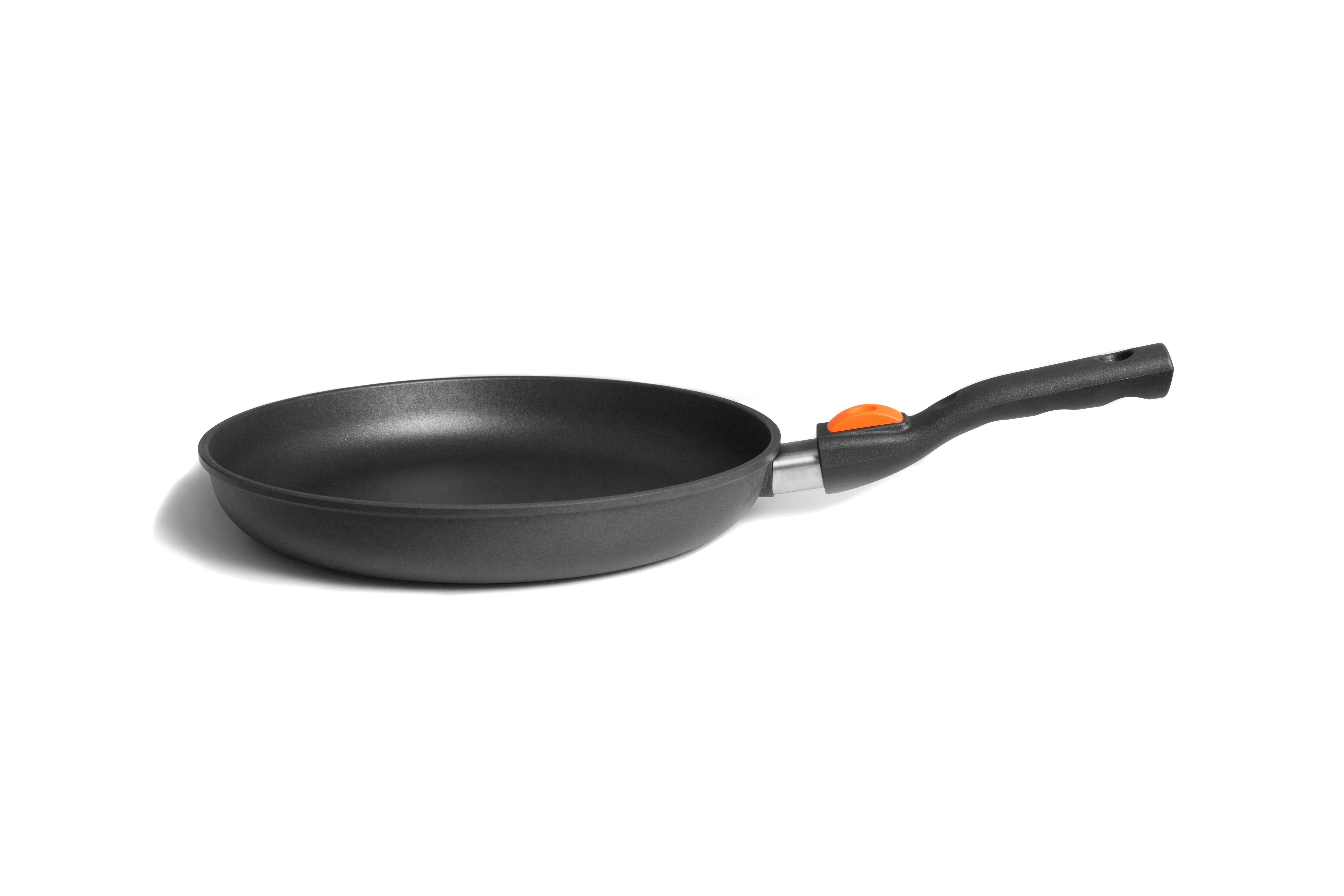
Choosing PFAS-free cookware is imperative for those looking to minimize exposure to these harmful substances. With the awareness of health risks linked to PFAS exposure, many individuals now prioritize safer alternatives, such as ceramic pans, which provide a non-toxic cooking surface without the risks associated with conventional non-stick materials. This shift signifies a growing trend toward healthier cooking practices that minimize potential health hazards.
Benefits of Using Ceramic Cookware
Ceramic cookware has gained significant popularity as a choice for healthier cooking, primarily due to its PFAS-free composition. Per- and polyfluoroalkyl substances (PFAS) are commonly found in traditional non-stick cooking surfaces, raising concerns about their potential health risks. In stark contrast, ceramic pans are made from natural materials, primarily clay, and are coated with a ceramic glaze, making them free from harmful chemicals. This makes them a safer option for both your health and that of the environment.
One of the most notable advantages of ceramic cookware is its excellent non-stick properties. Unlike conventional non-stick pans that often utilize chemical coatings, ceramic surfaces provide a natural non-stick experience that allows for easier food release and less reliance on oils and fats during cooking. This not only promotes healthier meal preparation but also simplifies the cleaning process, as food residue tends to wipe away easily.
Another key benefit of ceramic pans is their durability. While traditional non-stick cookware can scratch easily and lose effectiveness over time, ceramic options are generally more robust and resistant to wear. When treated with care, ceramic cookware can last for years without the coating breaking down, allowing users to enjoy the full benefits of healthy cooking for an extended period.
Moreover, ceramic pans exhibit superior heat distribution, ensuring that food cooks evenly without hot spots. This characteristic enhances cooking performance, allowing for perfectly prepared meals every time. In comparison to traditional non-stick options that may create uneven heat, ceramic cookware stands out for its efficiency.
Additionally, many ceramic cookware brands are committed to eco-friendliness, often using sustainable materials in their products and packaging. This alignment with environmental sustainability further elevates ceramic cookware as a smart and responsible choice for the conscious consumer.
Choosing the Right PFAS-Free Ceramic Pans
When it comes to making healthier cooking choices, selecting high-quality PFAS-free ceramic pans is essential. One of the first considerations should be the reputation of the brand. Established brands often have a history of producing reliable and safe cookware. It is advisable to research manufacturers and look for those that specialize in non-toxic cooking solutions, as their expertise often leads to better product quality.
Another factor to consider is product certification. Look for ceramic pans that have been certified by relevant health and safety organizations. Certifications such as those from the American National Standards Institute (ANSI) or the Environmental Protection Agency (EPA) can provide assurance that the cookware meets strict safety guidelines, ensuring no harmful chemicals, such as PFAS, are present.
In terms of features, quality ceramic cookware should have a sturdy construction that promotes even heat distribution, preventing hot spots that can lead to uneven cooking. Additionally, a nonstick surface is often desirable, making it easier to cook and clean while ensuring that food doesn’t stick. When purchasing PFAS-free ceramic pans, you should also check that the material used is indeed high-temperature resistant and non-toxic.
Be cautious of cookware that appears too inexpensive, as this might indicate lower quality materials that could contain harmful substances. Always read product labels carefully; a genuine PFAS-free ceramic pan will prominently feature this information. Lastly, avoid cookware with metallic finishes or artificial coatings, as these can interfere with the ceramic properties and may compromise the safety that comes with PFAS-free options. By considering brand reputation, product certifications, and essential features, you can select ceramic pans that support healthier cooking practices.
Care and Maintenance of Ceramic Cookware
Caring for PFAS-free ceramic cookware is crucial to ensuring its longevity and maintaining its excellent cooking performance. To begin with, one should always adhere to the manufacturer’s guidelines regarding usage and care. Regular cleaning is key to preserving the non-stick properties of ceramic pans.
When cleaning ceramic cookware, it is advisable to use warm, soapy water and a soft sponge. Avoid abrasive pads or harsh chemicals, which may scratch the surface or degrade the non-stick coating. If food particles stick to the pan, soaking it for a short period typically helps to loosen them without effort. There are also a variety of specialized ceramic cookware cleaners available that can assist with maintenance if needed.
Safe cooking practices are equally important for the durability of ceramic pans. It is recommended to cook on low to medium heat to prevent overheating, which can compromise the integrity of the ceramic coating. Avoid using high-heat cooking methods such as broiling or searing, as they can lead to damage over time. Additionally, using wooden, silicone, or plastic utensils can help avoid scratches that might wear down the ceramic non-stick surface.
For storage, it is wise to stack ceramic pans with care. Use a protective layer, such as a paper towel or cloth, between stacked pans to prevent scratches. Hanging pans when possible can also save space while keeping them protected. By following these simple yet effective care tips, you can extend the lifespan of your PFAS-free ceramic cookware and enjoy healthier meals for years to come.